
+44 (0)1440 564988
Article written by Joe Saunders
Archives are wonderful places, containing a wealth of information on human history. It is because of archives that researchers can undertake our enquires into the past. In Britain these take a variety of forms, including national bodies, county record offices and specialised archives such as university special collections.
It is a popular misconception amongst researchers just starting out that ‘everything is now online’. It is certainly true that a great deal of documentary material has been digitised, transcribed and indexed and is available through online providers. However, as we move through our research it becomes clear that material online is only the very surface. The National Archives, the largest archive institution in the United Kingdom is the most digitised archive in the country but this only amounts to 5% of everything they hold.[1]
For the researcher looking to make the step into archive for the first time it can be daunting, but it can also be a thrilling experience once you’re there looking at original documents and making exciting discoveries. For those thinking about making this move into the wonderful world of archives there are a few things to consider.
The key to any archive visit is good planning.[2] The researcher must identify the records they want to see (making sure they are in the archive they intend to visit!) and checking they are accessible. Many archives prefer, or only allow, pre-ordering documents while some like, or only allow, on-day ordering. This will vary depending on the archive and the types of documents you want to look at. Think also about the order you would like to view things in, prioritising in case time runs out. It is especially important to have a way of recording what you are looking at, finding and not finding, to keep on top of your work while in the archive.
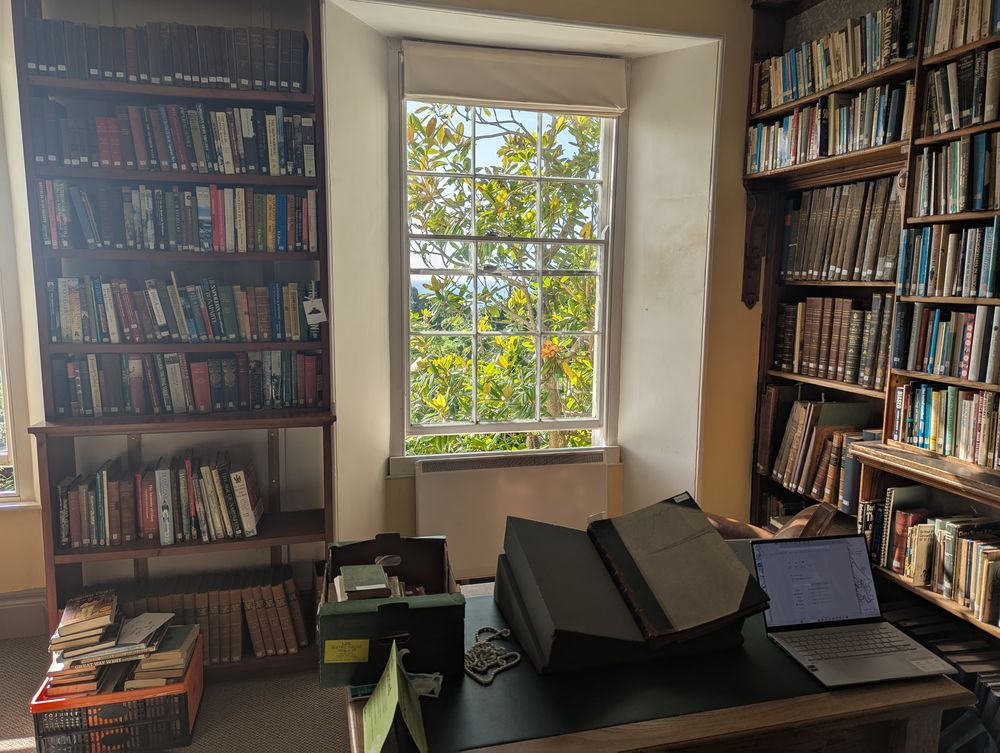
A range of practicalities must also be considered. If it is your first visit to a particular archive then check about the form of registration you will need for access. Archives will usually either have their own internal ID card to sign up for or will be part of a multi-archive ID scheme called ARA. Check the documents you need to bring with you to provide your identity if registering for the first time.
Archive opening times should be checked, these are sometimes just a day or two a week, and they may close for whole weeks for internal management during the year. Many archives are open to the public for less than a full working day, while some might have longer days with late opening into the evening when a visit might be maximised.
Consider how you are going to get there also. Not all archives have their own parking while many are located at the edges of towns and are not especially near public transport.
Plan also for photography. Archives often expect a charge for you to take your own photos but this can be a useful way to work through lots of material at once with the option of reviewing in more detail later.
If you are going to be in an archive all day consider your refreshment options. While some archives have shops and café’s on site or nearby, most do not and you will have to bring a packed lunch and drinks, to be consumed outside or in a break room.
Pharos courses
For those of you looking for more advice taking the step into archival research, almost all Pharos courses discuss how to find and use original archival records. We also have specific archive courses, Understanding Archives - Getting the Most From Your Research and Getting the most from The National Archives (TNA) Website.
Further Reading
There are numerous books about using archives such as general texts like Mark Herber’s, Ancestral Trails: the complete guide to British genealogy and family history (2000) and archive-specific guides like Amanda Bevan’s, Tracing Your Ancestors in the National Archives: The Website and Beyond (2006).
Sources
[1] ‘What’s online’, The National Archives, https://www.nationalarchives.gov.uk/help-with-your-research/start-here/whats-online/.
[2] ‘Plan your visit’, The National Archives, https://www.nationalarchives.gov.uk/visit/plan-your-visit/.