
+44 (0)1440 564988
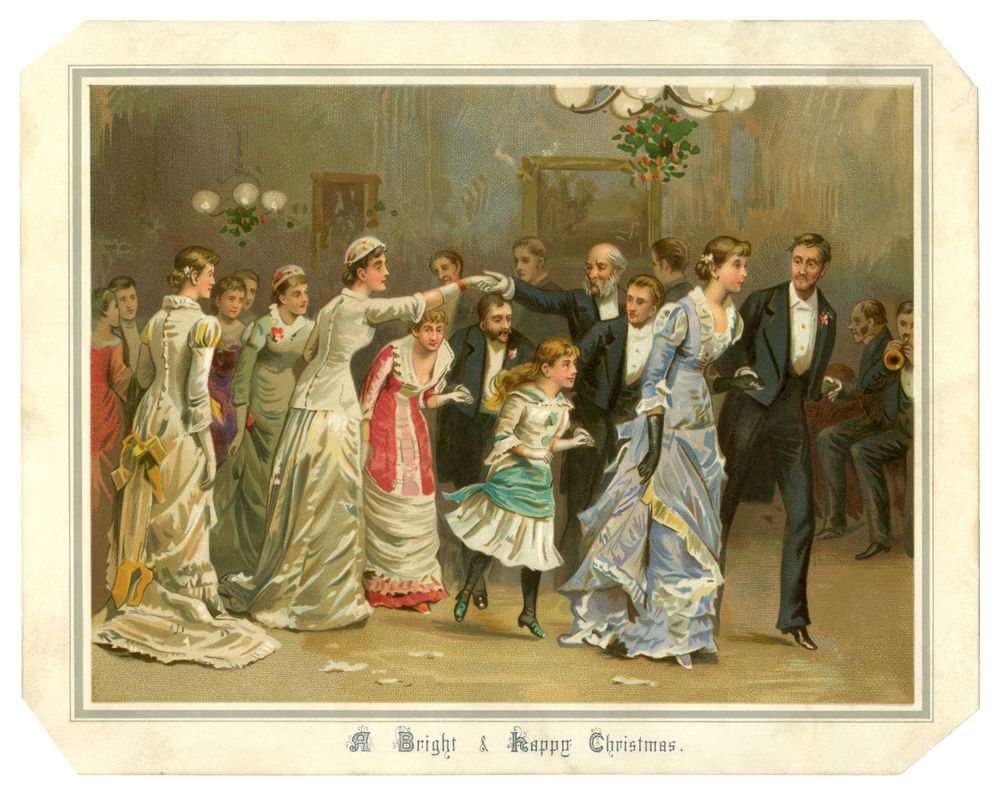
The Birth of the Christmas Card
The first commercial Christmas card is credited to Sir Henry Cole, a British civil servant and entrepreneur. In 1843, during the early days of the postal system, Cole sought a way to encourage more people to use the "Penny Post." With the help of his friend, artist John Callcott Horsley, he designed the very first commercial Christmas card. It featured a festive illustration of a family enjoying Christmas dinner, accompanied by the message, “A Merry Christmas and a Happy New Year to You.” The card’s popularity was immediate, and it laid the foundation for a lasting tradition.
Early Christmas Cards
The earliest Christmas cards were luxury items, hand-coloured and often featuring elaborate designs. Themes ranged from religious imagery to scenes of winter landscapes and festive merriment. By the late 19th century, improvements in printing technology made cards more affordable, and the tradition spread across Europe and North America.
The Influence of the Industrial Revolution
The Industrial Revolution played a significant role in the growth of Christmas cards. Advances in printing and mass production allowed for the creation of cards in larger quantities and at lower costs. By the 1860s, companies like Charles Goodall & Sons in London began producing cards on a commercial scale, making them accessible to the middle class.
Christmas Cards in America
In the United States, Christmas cards gained popularity during the late 19th century. Louis Prang, a German immigrant and printer, is often called the "father of the American Christmas card." In 1875, he introduced colourful, high-quality holiday cards to the American market. Prang’s designs were widely celebrated for their artistry, and his innovation helped establish the tradition in the U.S.
World Wars and the Evolution of Christmas Cards
During World War I and World War II, Christmas cards took on a more personal and poignant tone. Many featured patriotic themes or messages of hope and unity. Soldiers and their families used cards to stay connected despite the distances separating them.
The Decline of Posted Christmas Cards
In recent years, the tradition of sending physical Christmas cards has seen a decline. Rising postage costs and the widespread use of digital communication have made sending cards less common. Many people now prefer to send greetings through emails, WhatsApp, social media, or digital e-cards, which offer instant delivery and cost-effectiveness.
However, for those who cherish the tangible connection and personal touch of a handwritten card, the tradition remains a treasured part of the festive season.
You can watch a video about the origins of the Christmas card and see some more early examples here.