+44 (0)1440 564988
An article by Joe Saunders
Oral history is for anyone interested in memory and the past. It has its roots in an earlier tradition of oral recording and communication of stories, and has been considered by some as the ‘first kind of history’, with witness reports used by the Ancient Greek historian Thucydides.[1] By the time the first English historian, Bede, came to write his History of the English Church and People in the eighth century he noted his thanks to ‘countless faithful witnesses who either know or remember the facts’ and in 1773 Samuel Johnson expressed interest in oral histories in his study of Scottish beliefs and customs.[2]
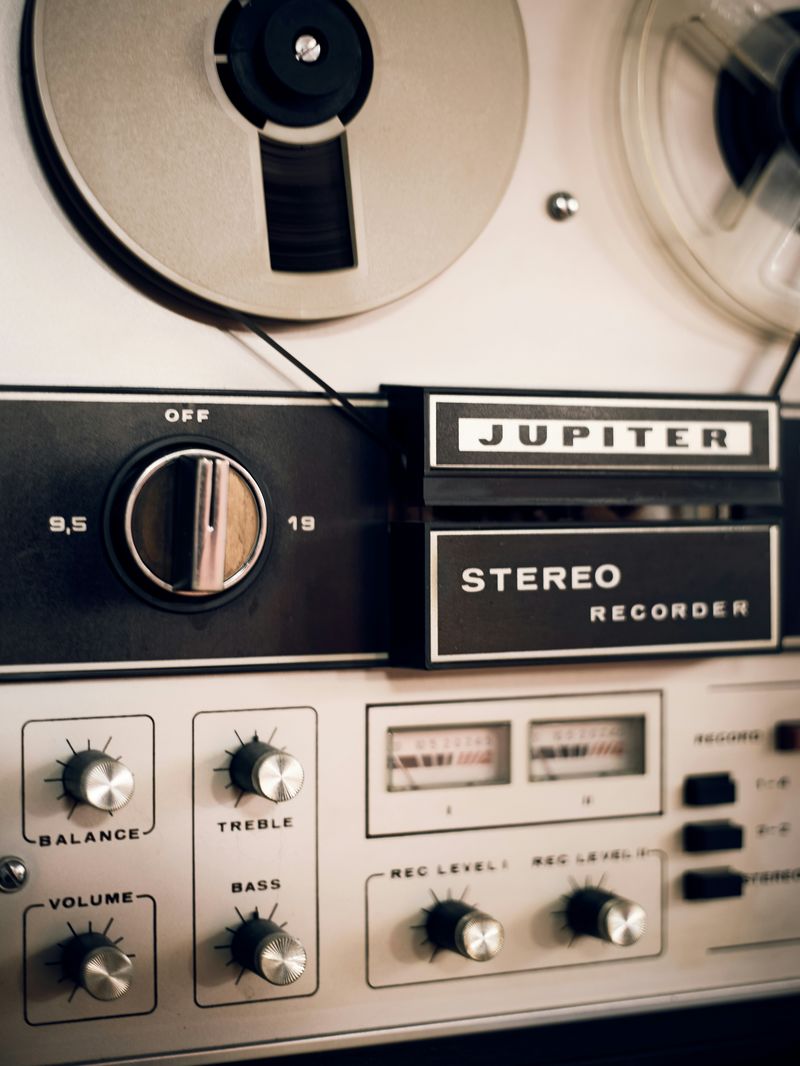
The modern practice of oral history can be properly traced to the development of portable recording technology in the twentieth century, which made it possible to record and preserve the authentic voice of the past. As such, ‘now that the technology is within everyone’s grasp, oral history has become a key part of community history as well as academic research.’[3] Historians and archivists interested in local histories can make the claim of taking the earliest initiatives in oral history during the twentieth century. The practice became important for those with an interest in capturing the disappearing traditions of the countryside and in the 1950s both the School of Scottish Studies at Edinburgh University and the Welsh Folk Museum established recording programmes. Oral history became increasingly respected as an academic discipline, with the launch of the journal Oral History and the foundation of the Oral History Society in the early 1970s. [4]
The key principle to modern oral history is that everyone has a story to tell that is both unique to them and which can tell us about wider aspects of the past. In particular, oral history enables us to capture records of things which do not appear, or barely appear, in written documents.
This work takes thought to carry out well and there are various considerations. First of all, ‘interviewing is a skill that has to be learnt’ and to some extent this can only come with practice, learning how to come up with the best questions and process to get the most out of our interviewees.[5] Having a focus for your overall oral history project can be very useful to organise yourself and it is especially important to plan ahead in order to know what you wish to ask. It is always best to get people to describe their lives in their own words with questions using plain and neutral language such as, ‘Can you describe…’. Bear in mind that while we are all different many of us find it easier to remember our lives in chronological order and it can sometimes take several sessions to record a full life story.
Other considerations also need to be made around practicalities. This includes deciding who to talk to as well as choosing the best recording media and storage method for both quality and longevity. There are also ethical, copyright and data protection issues to think about beforehand, including making sure you have clear consent documentation from your interviewees.
Oral history can be useful and rewarding for all kinds of researchers, especially for family and local historians. It is certainly well-worth taking the time to set up a project and develop the relevant skills, and you will reap the rewards for a long time to come.
Pharos courses:
Oral history is relevant to many Pharos courses including our Getting Started with Local History and Discovering Your British Family and Local Community in the early 20th Century courses.
Sources:
[1] Paul Thompson, The Voice of the Past, cited in Graham Smith, ‘The making of oral history’, Making History (Institute of Historical Research).
[2] Quoted in Smith, ‘The making of oral history’.
[3] Smith, ‘The making of oral history’’.
[4] ‘About’, Oral History Society, https://ohs.org.uk/about-2/.
[5] ‘Getting Started’, Oral History Society, https://ohs.org.uk/for-beginners/.
Image credit:
CoWomen, Interview [Unsplash License]